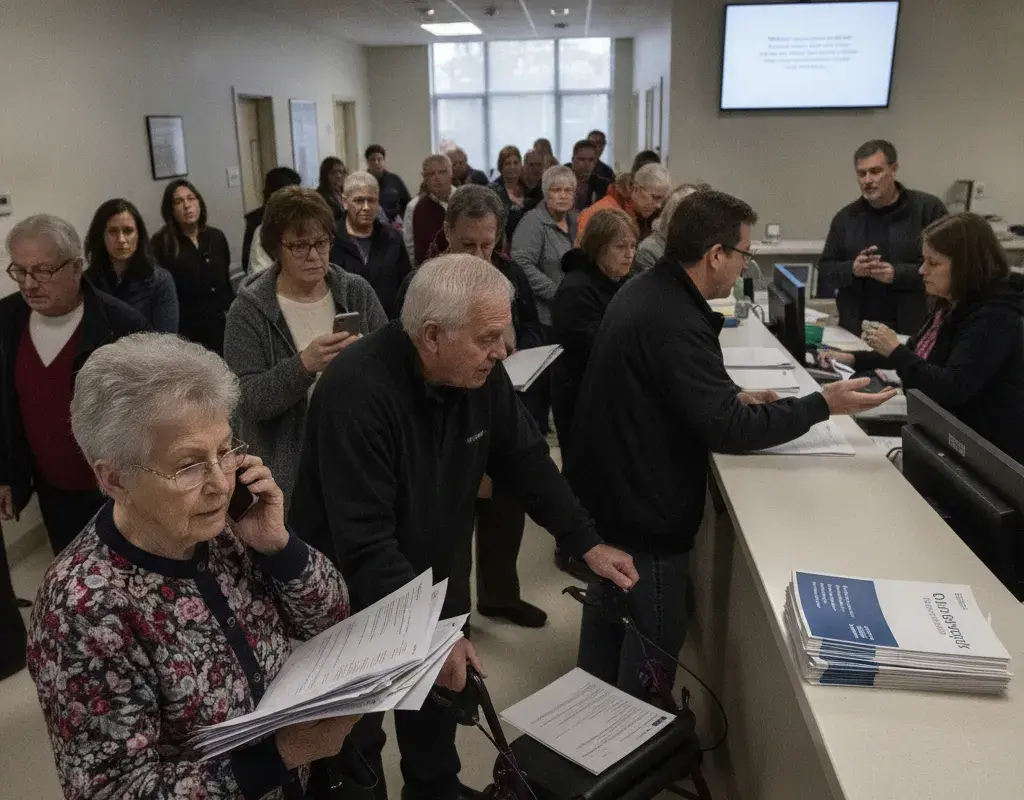
Thousands of patients, including roughly 5,000 Illinois state retirees, are facing a stressful scramble to secure their medical futures after BJC HealthCare announced it will stop accepting Aetna and Anthem Medicare Advantage plans on January 1. The decision follows a breakdown in negotiations between the health system and the insurers over administrative burdens and payment disputes. While BJC maintains that it can only partner with plans offering reasonable terms centered on patient interests, the move effectively severs ties between longtime patients and the providers they trust most.
For many, like Cindy Minor, a retired higher education employee, the news arrived via a barrage of confusing letters that sparked immediate panic. Minor describes the overwhelming task of potentially replacing nearly a dozen different healthcare providers for her husband and several for herself. The emotional toll is high for those who have spent years building rapport with their physicians, particularly those undergoing critical long term care such as cancer treatments or managing chronic illnesses like rheumatoid arthritis. These patients now face a grueling choice: abandon trusted specialists or pay exorbitant out of pocket costs to remain at BJC facilities.
The fallout has reached the halls of government, where Illinois state lawmakers are reporting widespread anxiety among their constituents. Representative Katie Stuart noted that many retirees feel trapped and confused, fearing they may have to travel as far as Chicago or Nashville to receive the same level of specialty care currently available at BJC. Other legislators have expressed outrage over the disruption of lifesaving doctor patient relationships, describing the sentiment among seniors as a mix of fear and anger.
As the deadline approaches, affected individuals are left navigating complex alternatives such as switching to Original Medicare or searching for new Advantage plans that still include their preferred clinics. Some report that moving back to Original Medicare requires rigorous underwriting for supplemental insurance that may be impossible for those with significant health histories to pass. In response to the crisis, Southern Illinois lawmakers have issued formal demands for representatives from CMS, Aetna, and Barnes-Jewish Hospital to convene and establish a solution before thousands lose access to their care.